Defining the Sound Above
“The sound above” represents the echoes of ideas, inspirations, and cultural touchstones that have shaped an industry or a mindset. It’s the legacy carried forward by those who came before, forming an unspoken language and shared context among those who lived through it. For many in tech, Star Trek is part of that sound—a source of optimism, imagination, and exploration that inspired entire generations of programmers, engineers, and dreamers.
But as time passes, the sound grows faint for those who didn’t grow up hearing it. To them, it’s not inspiration; it’s noise—opaque references that can feel like barriers instead of bridges.
Star Trek and the Foundation of Tech
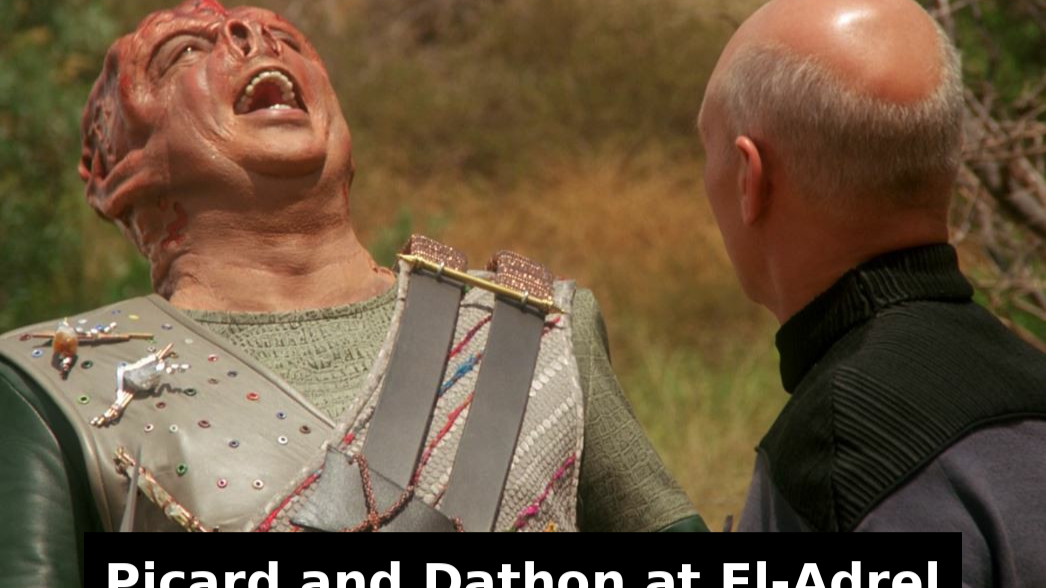
Star Trek, especially The Next Generation, holds a special place in the hearts of many who shaped the modern tech industry. The show’s vision of a future driven by exploration, collaboration, and technology as a force for good resonated deeply with the pioneers of computing. Episodes like “Darmok” embody the spirit of problem-solving, communication, and empathy—core values that underpin not just technology but how we work together as people.
In Darmok, Captain Picard faces an impossible situation: the Tamarians speak entirely in metaphor, referencing their own history and culture in ways that are incomprehensible to outsiders. It’s only through shared struggle, patience, and a willingness to learn that Picard bridges the gap, finding connection where it seemed impossible. This is the heart of what Star Trek has always been—a lesson in overcoming differences through empathy, intellect, and collaboration.
The New Generation: A Different Sound
For those entering tech today, Star Trek isn’t the foundation—it’s a distant echo. To many, it’s just another cultural reference they’re expected to decode, one more hoop to jump through in an industry that already feels intimidating. It’s easy for them to see it as exclusionary, a marker of an in-group they’re not part of. And they’re not wrong—without context, a Star Trek reference might as well be Smurf language: familiar to some, meaningless to others.
But what they may not see—and what senior leaders must help them see—is that Star Trek isn’t just a reference; it’s part of the sound above. It reflects the values and hopes of its time, just as today’s inspirations will shape the next generation of innovators. The task isn’t to force newcomers to learn Star Trek or pass a cultural test—it’s to build a bridge between what inspired us and what inspires them, so they too can contribute to the sound.
The Challenge for Seniors: From Sound to Connection
As senior members of the tech industry, it’s our responsibility to adapt how we communicate and lead. We can’t assume that our references will automatically resonate with others. Instead, we must respect that new people bring their own inspirations, references, and perspectives—and that the gap isn’t a failure on their part. It’s an opportunity for us to connect.
The way forward is through empathy:
- Be Receptive: Understand that new voices aren’t rejecting the past; they’re starting from a different place. Meet them where they are.
- Respect Their Inspirations: What inspires them might not look like Star Trek, and that’s okay. Their references are no less valid.
- Build Bridges: Share the sound above, not as a requirement, but as a gift. Show how the echoes of Star Trek—its optimism, its lessons in connection, its problem-solving spirit—can still inspire, but only if we make it accessible.
Why It Matters
The industry’s strength has always been its ability to build on what came before. But that only works if the foundation is shared. If we want the next generation to care about the sound above—to find inspiration in the values and stories that shaped us—we must first help them thrive. Only then can we inspire them to look up, to hear the echoes of the past and add their own notes to the sound of the future.
In the end, it’s not about forcing people to learn Star Trek. It’s about showing them why it matters to us, and why it might matter to them, too. Just as Picard found a way to connect with the Tamarians, we must find a way to connect across the gaps of generations, culture, and experience. That’s the true spirit of Star Trek—to boldly go where understanding can be built.